Back to Blog
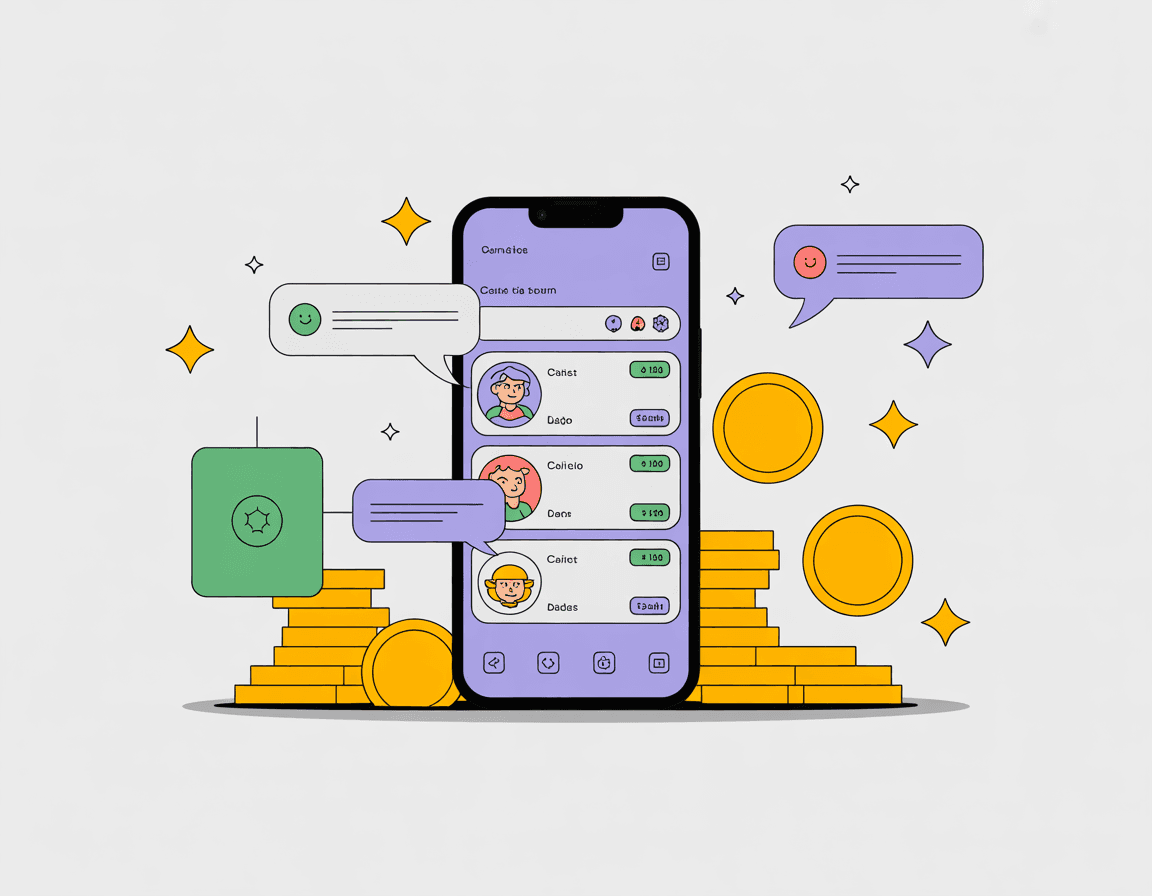
For Gen‑Z and millennial players, fun comes from connection. Real‑money platforms are lifting pages from social and mobile titles by adding chat, challenges and community goals. This shift signals a move from purely mathematical incentives to emotional ones: belonging, achievement and shared experiences. Operators measure success not just by handle or deposits but by how connected players feel to each other and the brand.
Bettoblock’s game‑development trends highlight the growing emphasis on social features. Multiplayer modes, chat functionality and community events foster connection and encourage longer play sessions. Gamification techniques—leaderboards, achievements and reward systems—enhance motivation and introduce competitive elements. Skill‑based games appeal to players seeking control over outcomes, blending strategy with gambling.
Mobile usage continues to reshape European markets, with mobile devices generating about 58 % of online gambling revenue. Shorter session times and intuitive interfaces drive adoption. Crash games and live interactive formats—such as fish‑table shooters and target‑based mini‑games—combine quick rounds with social competition. DeFi‑linked reward structures and on‑chain collectibles further enhance engagement.
Emerging markets in Asia and Latin America amplify these trends. In Brazil, regulators formalize sports betting and mobile‑first audiences favour localized content. In the Philippines and Thailand, tech‑savvy populations embrace mobile games that accept local payment apps. Social leaderboards, seasonal events and narrative layers create communities that transcend individual bets. Operators must translate interfaces, adapt promotions to cultural events and offer instant withdrawals via regional wallets to succeed.
As social gaming features proliferate, responsible‑gaming tools remain vital. Operators should integrate deposit limits, time‑outs and self‑exclusion APIs into gamified experiences. Gamification can promote healthy habits by rewarding breaks and moderation. Transparent communication about odds and risk ensures players enjoy social competition without harmful consequences.
Conclusion
Social gaming and gamification are redefining what players expect from iGaming. By 2026, real‑money platforms that offer chat, community goals, leaderboards and skill‑based mechanics will outcompete those relying solely on bonuses. To capture mobile‑first audiences across Europe, Asia and Latin America, operators must adopt a social mindset: engage players emotionally, localize content, streamline mobile payments and embed responsible‑gaming safeguards. In doing so, they will build loyal communities and sustainable growth.
Gamification
Sweepstakes
iGaming

Maya Tan