Back to Blog
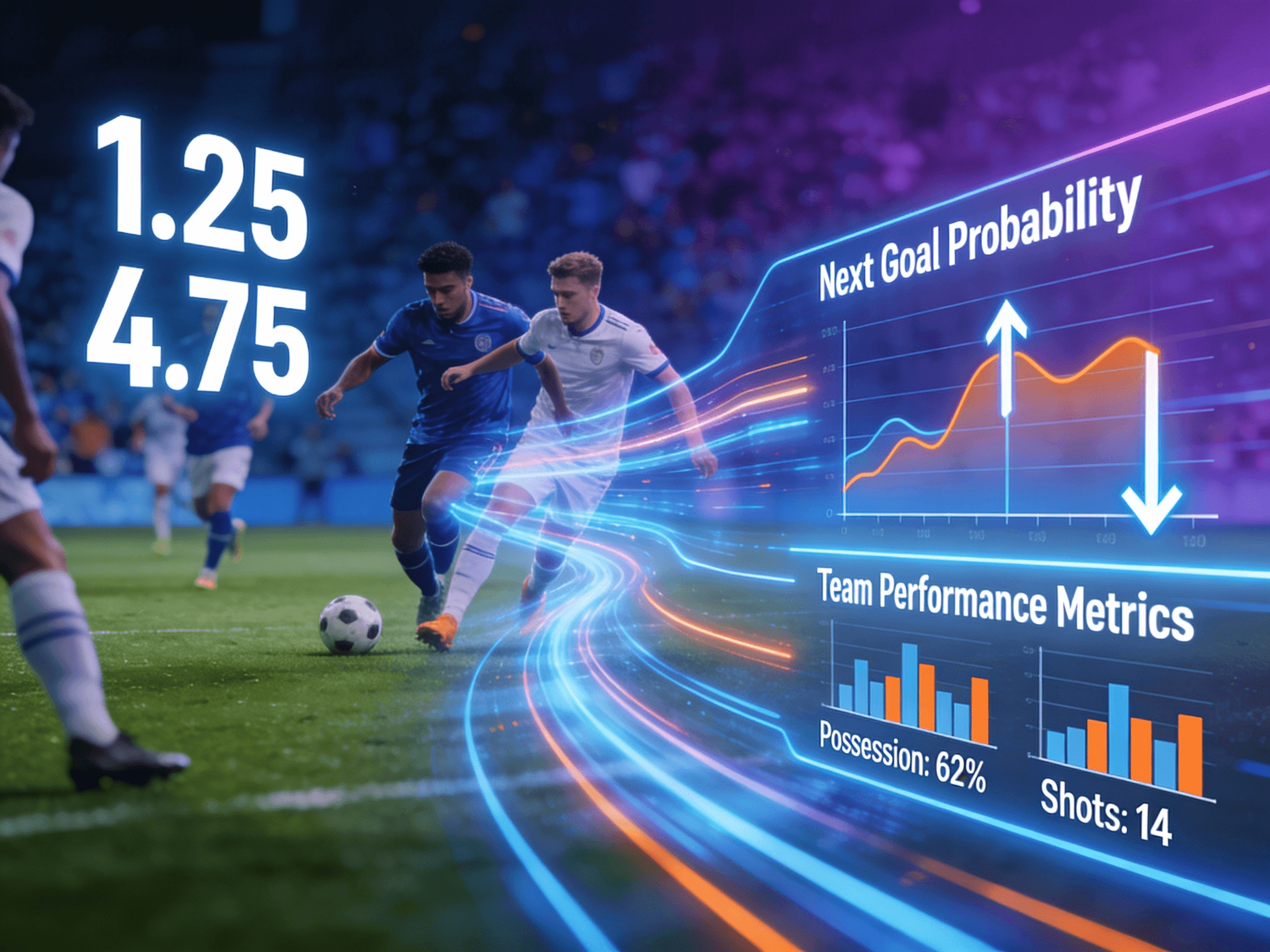
The iGaming industry is experiencing a seismic shift. In 2026, the race to deliver
instant engagement has moved beyond flashy bonuses or new game themes. Today’s
competition is being fought in milliseconds: operators are investing in low‑
latency streaming, ultra‑fast data feeds and micro‑betting engines that turn
every corner kick, possession or point into its own market. At the same time,
prediction‑market platforms such as Kalshi and Polymarket have exploded in
valuation and volume, bridging the gap between sports betting and event‑based
financial contracts. This article explores how micro‑bets and real‑time data
are reshaping the iGaming landscape, why prediction markets are going
mainstream and what these trends mean for operators, affiliates and players.
Data‑Driven Engagement: The Rise of Micro‑Bets
Sports betting is entering a decisive new stage where live data and micro‑
markets define competitiveness. Operators and technology providers are
accelerating investments in micro‑markets, live data and low‑latency streaming
to deliver seamless in‑play experiences. The shift
from pre‑match predictions to continuous, data‑supported interaction has
produced explosive growth in micro‑betting, particularly among younger
audiences. In Brazil, a study by Fulltrader Sports showed a 41 % increase
in micro‑betting in 2024, reflecting bettors’ preference for immediate
outcomes, smaller stakes and constant interaction.
These short‑lived markets mirror modern viewing habits. Rather than waiting
for the final score, players wager on the next corner, the next possession or
the next point, creating a steady stream of engagements.
This behaviour multiplies the number of interactions during a match and
significantly extends session durations. Micro‑bets also increase revenue
density because each micro‑event is an opportunity to bet, raising turnover
without pressuring bettors toward higher stakes.
Driving this trend is the increasing reliance on fast, reliable data. Live
betting depends on timely data feeds, and bettors are using them more than
ever. Fulltrader’s report revealed a 22 % uptick in real‑time data usage in
2024, showing that accurate, live data has become the backbone of the
experience. To meet demand, U.S. data provider
ALT Sports Data raised USD 5 million to improve odds and live statistics for
alternative sports, highlighting investment momentum.
Meanwhile, improvements in ultra‑low‑latency streaming are narrowing the gap
between action and odds, reducing arbitrage risks and delivering smoother
experiences for users.
Prediction Markets Go Mainstream
While sports betting embraces micro‑bets, prediction markets have moved from
niche curiosity to mainstream finance. In December 2025, U.S. platform Kalshi
announced a $1 billion Series E funding round, doubling its valuation to
$11 billion within two months. Rival platform
Polymarket reportedly sought funding at a valuation between $12 billion and
$15 billion. These platforms allow users to trade
binary contracts on outcomes in politics, sports, economics and entertainment,
and the model has attracted strong backing for event‑based trading and risk
management. Kalshi’s trading volumes were
reported at more than $1 billion weekly, a rise of over 1 000 % from
2024, and investors see event contracts as genuine
tools for managing investment and macroeconomic risks.
Prediction markets’ growing popularity is tied to the same forces behind
micro‑betting: a desire for real‑time engagement and data‑driven experiences.
Young bettors raised on esports and streaming platforms are comfortable
participating in markets where they can trade on short‑term outcomes or
collective expectations. With platforms like Robinhood introducing prediction
market hubs inside mainstream trading apps, event
contracts are moving closer to casual gaming. Analysts predict that
integrating prediction‑market mechanics into traditional sportsbooks will
create hybrid products, combining micro‑bets with dynamic, market‑based pricing
that appeals to more analytical bettors.
Dynamic Pricing and AI Personalisation
As micro‑betting and prediction markets converge, operators are exploring
dynamic pricing models and AI‑driven personalisation. Instead of offering
identical markets to all users, platforms are implementing personalisation
engines that tailor recommended bets, real‑time offers and micro‑markets to
individual profiles and behavioural patterns. The
goal is to deliver a curated feed of markets that maximises relevance and
engagement while managing risk.
Artificial intelligence also underpins predictive services that anticipate
churn and reward players at critical moments. By analysing player behaviour
and session data, machine‑learning models can forecast when a user is likely
to leave and trigger personalised offers or challenges to keep them engaged.
These AI‑enriched frameworks already influence gamified loyalty systems
designed to maintain a sense of flow and achievement. As micro‑bets compress
decision‑making into seconds, real‑time personalisation will become
essential.
Regulatory and Responsible Gaming Considerations
The rapid adoption of high‑frequency wagering brings challenges. Micro‑bets
create heavy infrastructure demands, requiring robust servers, cloud systems
and trading teams to support continuous odds updates during peak events.
Premium data and streaming rights can also create cost barriers for smaller
operators.
Regulators are watching micro‑betting closely. The fast pace of
wagering raises questions about consumer protection, and authorities may
introduce new parameters on wagering frequency, cooling‑off periods and
micro‑market restrictions. Responsible gaming
tools must evolve accordingly: automated monitoring systems capable of
detecting risky betting behaviour in real time are becoming essential, especially
as micro‑bets shorten the decision window.
Prediction markets face regulatory scrutiny as well. Kalshi’s own growth
accelerated after it successfully challenged the U.S. Commodity Futures
Trading Commission and gained approval to list contracts related to the
presidential election. Yet states such as
Mississippi, Arkansas and New Jersey have accused Kalshi of operating an
unlicensed sportsbook, highlighting the grey area between event contracts and
gambling. The outcome of these legal battles will determine how deeply
prediction markets integrate with mainstream betting and whether major
financial exchanges pursue mergers and acquisitions in the space.
Implications for Operators and Affiliates
For operators, the micro‑betting and prediction‑market boom offers both
opportunities and challenges:
Invest in real‑time infrastructure: Fast, reliable data and low‑latency
streaming are no longer optional. Players expect seamless live markets
aligned with the action on screen. Partnering
with specialised data providers can deliver the speed and depth needed to
differentiate offerings.Explore dynamic pricing and prediction‑market hybrids: Integrating
prediction‑market mechanics into sportsbooks can attract a more analytical
audience and diversify revenue streams.Embrace AI‑driven personalisation: Real‑time recommendation engines
enhance engagement and help manage risk, but operators must ensure
transparency and fairness. Compliance frameworks should include explainer
models that clarify why certain offers are presented, aligning with
emerging AI regulations.Strengthen responsible gaming tools: With high‑frequency wagering,
real‑time detection of risky behaviour is vital. Operators should deploy
automated systems that trigger cooling‑off periods or restrict micro‑bets
when patterns suggest harm.Watch regulatory developments: Event‑based contracts sit at the
intersection of financial and gaming regulation. Operators and affiliates
must monitor court rulings and adapt marketing to avoid promoting
unlicensed products.
Conclusion
Micro‑betting and prediction markets signal a new era of data‑driven iGaming.
As players demand immediacy and personalised experiences, operators are
transforming their platforms into real‑time ecosystems where every play is an
opportunity. The surge in micro‑bets in markets like Brazil and the rapid
growth of prediction platforms valued in the tens of billions underscore the
potential of this model.
Yet innovation must be balanced with responsibility. Regulators and
operators alike must ensure that high‑frequency wagering remains fair,
transparent and safe. For those who can marry cutting‑edge data
infrastructure with responsible practices, the years ahead promise exciting
opportunities in a landscape where milliseconds matter.
Prediction‑markets
Betting
iGaming

Rafael Silva