Back to Blog
Altcoins on the rise
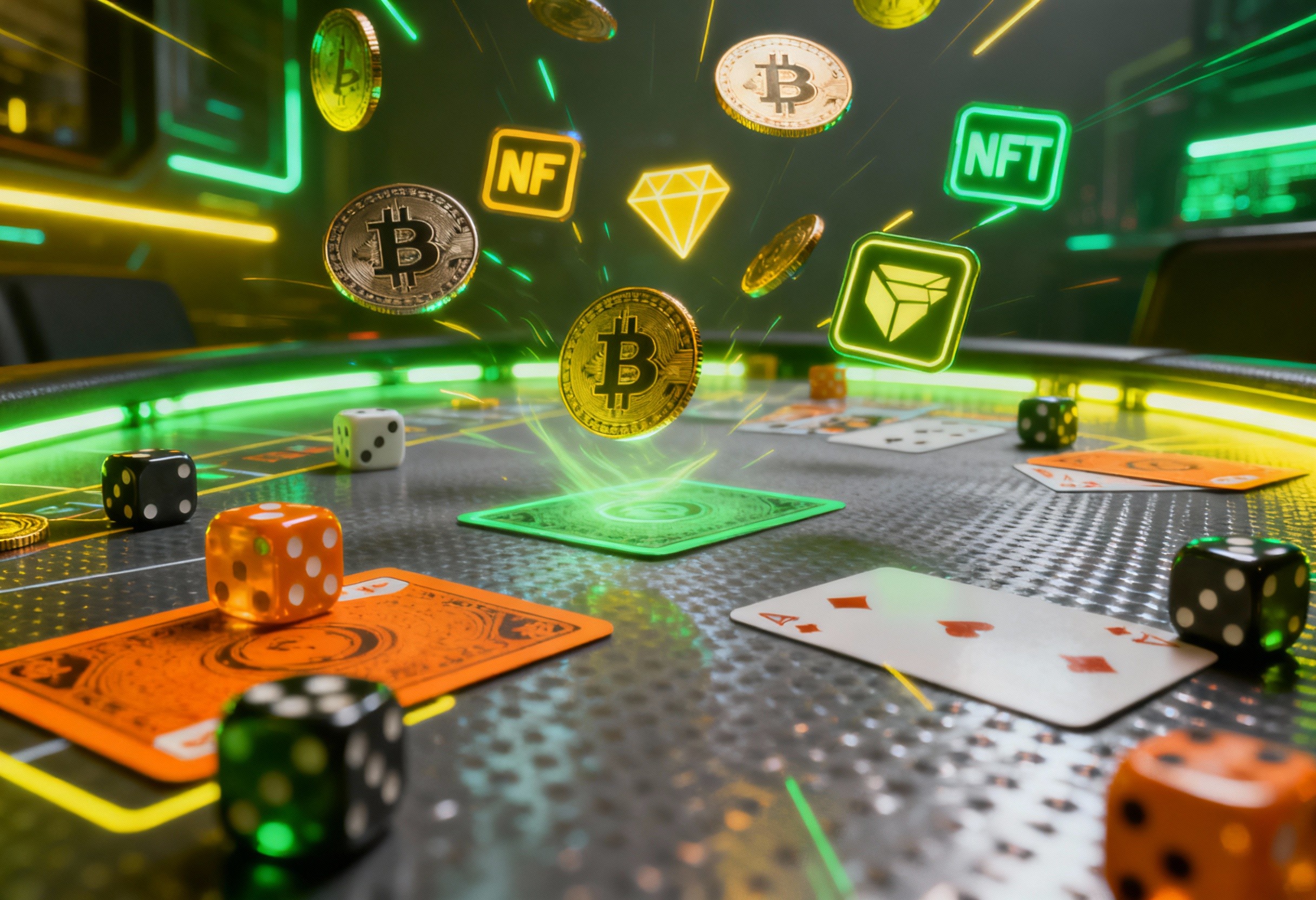
While Bitcoin remains a popular deposit option, alternative cryptocurrencies are gaining ground. Industry data show that altcoins made up 26.8 % of total iGaming transactions in 2023, and nearly 50 % in 2024. Experts note that Bitcoin’s share has dropped exponentially, indicating broader acceptance of coins such as Ethereum, Dogecoin and Solana. Players favour these assets for lower fees and faster transaction times. Some iGaming brands even run promotions tied to specific coins—such as Doge-day rakeback or ETH jackpot multipliers—to tap into crypto-community hype.
Tokenizing in-game assets
The next wave of innovation involves tokenization. Instead of keeping rewards in closed ecosystems, iGaming brands are minting loyalty points and game items as blockchain-based digital assets. This approach allows players to own, trade and sell virtual items securely. For example, a unique avatar skin obtained in a slot tournament could be tokenized as a non-fungible token (NFT). Players may then trade these NFTs on external marketplaces or use them to access special tournaments.
Provably fair slots, live crypto tables & NFT games
Provably fair slots and live crypto table games continue to be popular. Blockchain technology ensures transparent outcomes by publishing the random seed, allowing players to verify results. Live dealer crypto poker, blackjack and roulette stream real-time action directly to a browser or mobile app, providing an authentic experience.
NFT-based iGaming titles are an emerging genre. Some games offer collectible NFT cards that function as game pieces, unlocking specific bonuses or increasing the odds of winning. Owning a rare NFT from a renowned game developer can confer status and open doors to exclusive tournaments. Integrating NFTs into gameplay deepens immersion and appeals to collectors.
Cross-chain liquidity & interoperability
Crypto iGaming platforms typically operate on a single blockchain, but cross-chain technologies are changing that. Cross-chain liquidity pools allow players to bet and cash out across multiple blockchains, exchanging winnings from Bitcoin for Ethereum or stablecoins without delays. On a broader scale, blockchain interoperability makes it easier to transfer assets between different chains and fosters competition and innovation. For players, this means more flexibility; for operators, it enables access to larger liquidity pools.
Community governance through DAOs
Decentralized Autonomous Organizations (DAOs) take player engagement a step further. DAOs let participants vote on game development and strategies, creating a sense of community ownership. Token holders may propose new game features or decide which charitable causes to support through platform profits. This governance model aligns operators’ incentives with those of the community and can build long-term loyalty.
Conclusion
Beyond Bitcoin, the crypto-iGaming landscape is brimming with innovation. Altcoins are capturing a growing share of transactions, NFTs are transforming virtual rewards into tradable assets and cross-chain technologies are removing liquidity barriers. By embracing tokenization and community governance, iGaming brands offer players more control and engagement. As always, players should choose regulated sites and keep track of market volatility when wagering with digital assets.
Altcoins
NFT
Tokenization

Maya Tan